
|
Neurofeedback comes to the orient |
|
Click on picture for more info STS faculty of the month Thomas Brownback, M.Ed |
|
Singapore’s first professional workshop |
|
Vol 3 ISSUE 1 |
|
PROTOCOL OPTIONS FOR CHANGE |
|
Once the assessment phase is complete clinicians are likely faced with the task of directing neurofeedback training to promote change in the EEG. Clients often learn at different paces and through different protocols. It may be that one protocol is more effective for one particular client. Or, a combination of protocols may be more effective. For example, lets say a client has excessive posterior alpha. Reducing excessive amplitudes is the goal. First try to simply reduce alpha with a monopolar montage at Pz. However, if you determine that this protocol is difficult for the client to master then it’s time to change strategy without changing goals. Consider the following options:
1. P3-P4 (bipolar montage) inhibit alpha with one filter or perhaps you can reward beta while inhibiting high beta and theta. Tweak the beta reward band as needed. Most practitioners start at 15-18 Hz .
For more suggestions….. |
|
To remove your name from our mailing list, please click here. Questions or comments? E-mail us at lisastsinc@aol.com or call (800)-447-8052 |

|
Neurofeedback is an intensive training program that often takes place over a period of months. Generally, clinicians begin with an intensive assessment that includes recording the EEG, continuous performance tests, symptom questionnaires and a review of other pertinent clinical data. At first, many clients are motivated but soon many find it hard to continue training. A solution to this dilemma exits… |
|
Home training: more clients lower overhead |
|
Brownback’s workshop illuminates the connection between Neurology & EEG activity. It is a must for those considering QEEG applications. It truly opens the door to brain-based neurofeedback applications for all EEG practitioners! |




|
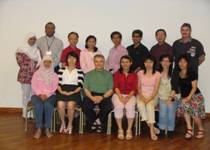
STS arranged for the first BCIA accredited workshop in Singapore. A multinational group of health care professionals came from Singapore, Indonesia, Malaysia and South Africa. |
