
|
Alternative medicine and Neurofeedback |
|
QEEG
& Neurology join forces with the
Brownbacks |
|
VOL 3 ISSUE
5 |
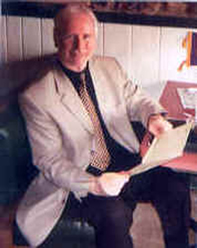
Tom Brownback, M.Ed.
Consider the following comment about the Brownback's training manual: "I have often wished that there was a collation and summation of research providing a coherent guide to training protocols related to various disorders and explaining the physiological basis of the protocol. (Tom Brownback) has assembled clear and coherent training manuals that explain the physiology of the brain, and relates this to the commonly treatable DSM disorders, the EEG patterns commonly seen with the disorders, and treatment protocols that both reflect the research and work of many and the physiological basis for the treatment." by David Toll, PhD, BCIA-EEG
|
Allergies:
|
|
CONCEPTS |
Allergies often accompany learning disorders including ADHD. Other than recommending that our client receive a battery of tests is there anyway to predict which foods may problematic. Fortunately, the body sends out biological signals when errant foods are consumed. Try this: after sitting down and getting relaxed, take your resting pulse rate; then consume a suspected food; lastly retake your pulse 15-20 minutes later. If your body negatively reacts to the food consumed your pulse rate will have climbed over 10-15 points. Typical offenders are milk and wheat. Once discovered, clients can seek out alternative foods such as soy milk or goat's milk or bread and pasta made from spelt, rice or soy products rather than wheat. Of course, each substitute food must be tested. Naturopath doctors often rely upon RAST test.
Brownback & Mason's workshop provides neurotherapists with an in-depth study of Quantitative EEG and its relationship to neurology, neuro-anatomical structures and the neuro-physiology of the brain . Z-score training concepts are explored and demonstrated. For more information click here.
|
STS
WORKSHOPS |
|
Testing
for Candida: by John Demos |
Getting
Started w/ Neurofeedback
April 3-6 (Sacramento, CA)
John N
Demos
QEEG and
basic z-score training
April 16-20 (Cleveland, OH)
Brownback &
Mason
- Alpha/theta & Beta Training
- Z-Score Training
- Open Focus Training
- NeuroMeditation
Candida or yeast is a naturally occurring substance in the body. However, there must be a balance. Overgrowth of yeast is common in any society that is plagued with “dia-besity,” and the overuse of anti-biotics. Yeast thrives on diets that are rich in refined flour, sugar and “cheap carbs.” While, anti-biotics limit the growth of healthy bacteria. Reducing healthy intestinal flora paves the way for yeast overgrowth. For example, children who suffer from frequent ear infections are at risk for yeast infections. Symptoms of candida include: atheletes foot, vaginal infections, jock itch and thrush. There may be an increase mental fogginess and fatigue. Yeast sufferers are likely at risk for auto immune diseases. It behooves neurofeedback providers to rule out this condition before training begins. A free screener can be faxed; please make this request to workshop@eegvermont.com Making your clients aware of candida will improve your overall outcomes.
| Stress Therapy Solutions, Inc. 3401 Enterprise Parkway Suite #340 Beachwood,, OH 44122 |
Remove name from
subscription list. |
